Author: Marc Lancaster
-

Dick Winters: Before ‘Band of Brothers’
Dick Winters might be the best-known soldier of World War II, but the heroics immortalized in “Band of Brothers” barely received notice at the time.
-

Eisenhower meets the press in London
Gen. Dwight D. Eisenhower’s first news conference as Supreme Allied Commander established his vision of a mutually beneficial relationship with the press.
-
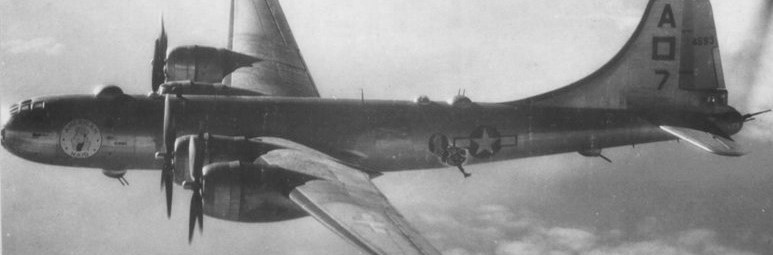
J.R. Krantz dangles from a B-29, miles over Japan
J.R. Krantz’s remarkable story of survival after being blown out of his B-29 on a bombing raid over Japan captivated readers across the U.S. and around the world.
-

FDR’s ‘Four Freedoms’ speech
President Franklin D. Roosevelt’s 1941 State of the Union address is known to history as the ‘Four Freedoms’ speech, but those lofty ideals were not the focus of press coverage at the time.
-
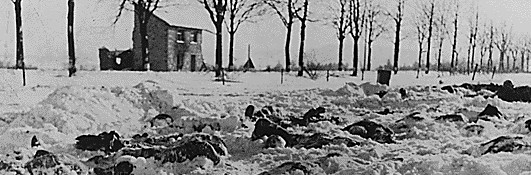
The Malmedy Massacre: News that hardened a nation
On Dec. 17, 1944, German troops gunned down more than 80 unarmed U.S. prisoners near Malmedy, Belgium. News of the atrocity was on front pages worldwide within a day.
-

Get World War II on Deadline in your inbox
World War II on Deadline now offers an email newsletter. Subscribe today!
-
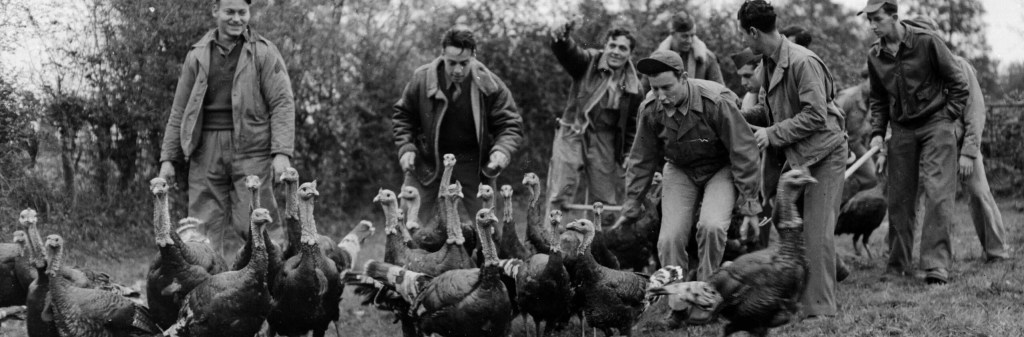
Thanksgiving 1942: Exporting an American holiday
Thanksgiving Day 1942 was a jarring experience, not just for the U.S. service members half a world away from home but also to the countries suddenly playing host to a wholly unfamiliar holiday.
-

Gen. George S. Patton and the slaps heard ’round the world
In two incidents a week apart in August 1943, Gen. George S. Patton slapped soldiers in field hospitals in Sicily. Though war correspondents knew about at least one incident almost immediately, they chose not to report it and the news didn’t become public until three months later.
-
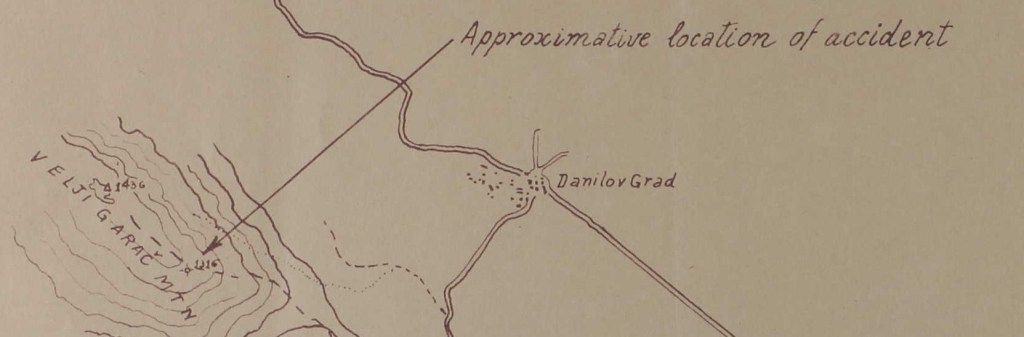
Ralph Barnes: First U.S. war correspondent to fall
A veteran foreign correspondent who had witnessed firsthand the rise of authoritarianism in several European capitals, Ralph Barnes was the first American reporter to die covering a war that spanned the globe.
-

Kristallnacht: The night the world took notice
The official start of World War II was still nearly a year away the night of Nov. 9 and 10, 1938, but what occurred that evening — now known as Kristallnacht — made clear to the world the savagery of the Nazi regime.
 World War II on Deadline