Author: Marc Lancaster
-
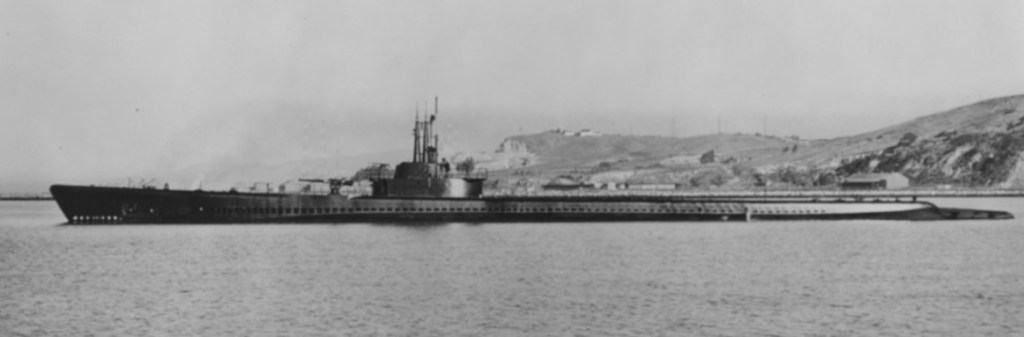
Sinking of the USS Tang: ‘Like the world coming to an end’
On Oct. 25, 1944, the USS Tang went down off the coast of China. It would take nearly a year for the true story behind the submarine’s fate to be told.
-
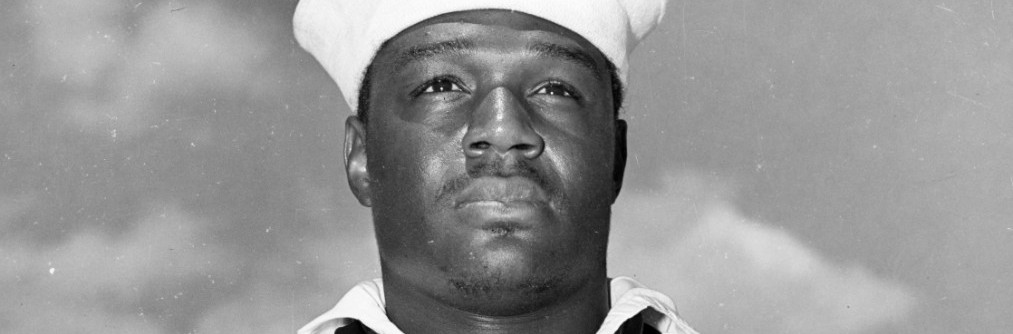
Dorie Miller at Pearl Harbor: Telling a hero’s story
The heroic tale of Dorie Miller has become a familiar part of World War II lore, but it took months after the Pearl Harbor attack — and plenty of digging by one newspaper in particular — to bring Miller’s identity to light.
-
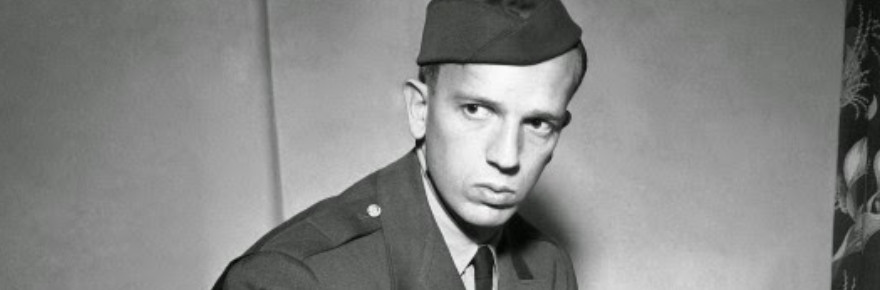
43 Days: Vern Haugland’s fight to survive in New Guinea
Associated Press correspondent Vern Haugland bailed out of a B-26 over New Guinea on August 7, 1942 and spent the next six weeks in the jungle before wandering, delirious, into a native village. His diary chronicled a remarkable story of survival.
-

Operation Market Garden: Dropping in on Holland
In its earliest hours, Operation Market Garden seemed yet another Allied success. But correspondents on the ground soon realized little was going to plan, and their reports from the field reflected the increasingly dire situation — particularly near Arnhem.
-
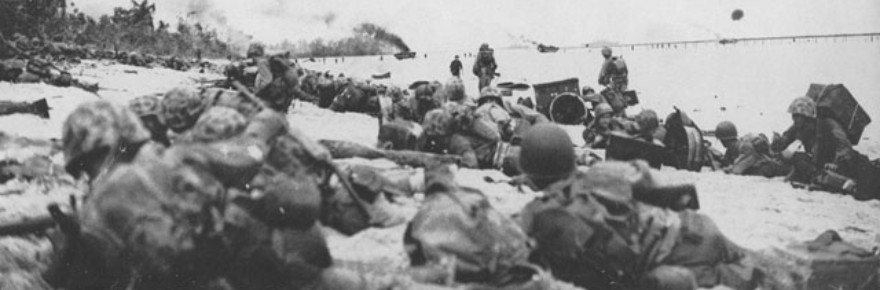
Peleliu: Hitting the beach with the Marines
Correspondents watching from offshore had an uneasy feeling as they eyed the small island of Peleliu, which seemed “too still” after a three-day bombardment. Those concerns proved valid when the 1st Marine Division went ashore to face a hellscape of dug-in Japanese defenders who would fight on for more than two months.
-

Captured by the Nazis: War correspondent to POW
On September 12, 1944, war correspondents Edward Beattie, Wright Bryan and John Mecklin were captured by German troops in France. Suddenly, they were the news instead of the ones reporting on it.
-

‘Today the guns are silent’: Japan surrenders
At 9:18 a.m. Tokyo time on Sunday, September 2, 1945, World War II came to an end. The war correspondents aboard the USS Missouri that day shared not only the details of the surrender ceremony but their reflections on what had brought the world to this long-awaited moment.
-

Clare Hollingworth and the scoop of a lifetime
Clare Hollingworth had been a Daily Telegraph correspondent for less than a week when she spotted a massive buildup of German tanks near the Polish border. Her report that an attack seemed imminent hit the front page three days before World War II began.
-

Paris liberated: De Gaulle under fire
Charles de Gaulle’s parade down the Champs-Élysées was to be the highlight of liberation celebrations on August 26, 1944, but gunfire from snipers along the route and even inside the Notre-Dame cathedral dampened the mood of the day.
-
Liberation Day: When Paris went mad
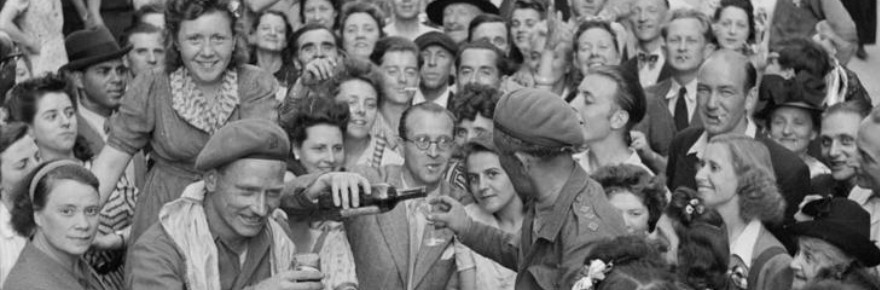
The liberation of Paris was a day war correspondents in Europe had anticipated like no other, and the reality didn’t disappoint. The magnitude of August 25, 1944 was such that, in Ernie Pyle’s words, “A good many of us feel we have failed in properly presenting the loveliest, brightest story of our time.”
 World War II on Deadline