Author: Marc Lancaster
-

‘Blackest’ days for war correspondents
As Allied forces drove toward Paris in August 1944, war correspondents had a firsthand reminder of the dangers of their chosen profession.
-

William L. Laurence witnesses the bombing of Nagasaki
New York Times science writer William L. Laurence joined the War Department as a “special consultant” to the Manhattan Project in the spring of 1945. That assignment put him in position to watch the bombing of Nagasaki firsthand from a B-29.
-
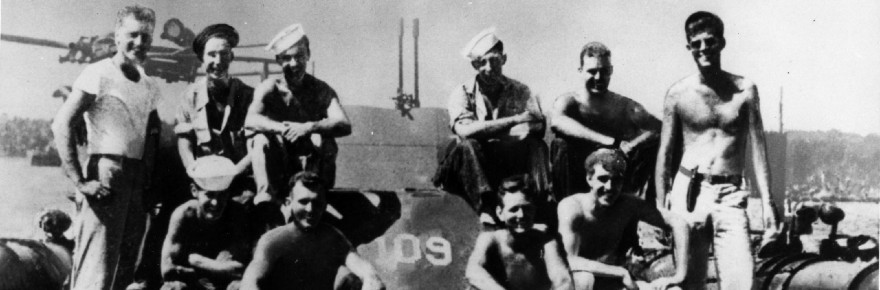
PT-109: John F. Kennedy fights to survive in the Solomons
John F. Kennedy’s heroic brush with death aboard the PT-109 in August 1943 put him in the spotlight, and he soon carved out a public persona of his own.
-

Sinking of the USS Indianapolis
By now most of us are familiar with the horrific details surrounding the sinking of the USS Indianapolis on July 30, 1945 — survivors adrift for days, fighting off sharks, delirious with thirst. Read about how the tragedy was reported at the time.
-

Killed by friendly fire: Lesley J. McNair and Bede Irvin
More than a hundred Americans were killed by bombs dropped by U.S. aircraft on July 25, 1944 — a key Army figure and beloved Associated Press photographer among them.
-
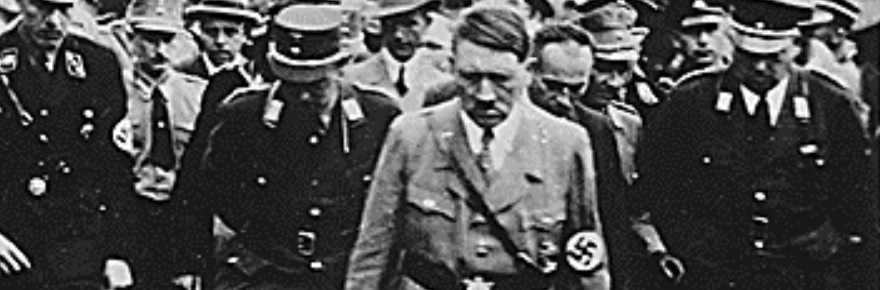
The July 20 plot on Hitler’s life
On July 20, 1944, a bomb went off in a conference room at Hitler’s “Wolf’s Lair” headquarters, sending Germany into chaos and confusion. The attack was in the news almost immediately, thanks to German radio reports, and within about 12 hours Hitler himself had taken to the airwaves to address the incident.
-

Thomas D. Howie: The Major of Saint-Lô
The story of the body of an unidentified major being borne into liberated Saint-Lô resonated with U.S. readers for days before they learned Maj. Thomas D. Howie’s name.
-

‘Greyhound’ in real life: Covering the convoys
The type of Atlantic convoy action portrayed in the new Tom Hanks movie was covered by press correspondents at the time. We examine some of their work.
-

Liberating Caen: The unbroken spirit of ‘war-tortured’ French civilians
British and Canadian troops entering battle-ravaged Caen were greeted with unabashed joy by French townspeople, leaving soldiers and correspondents alike stunned by the reception.
-
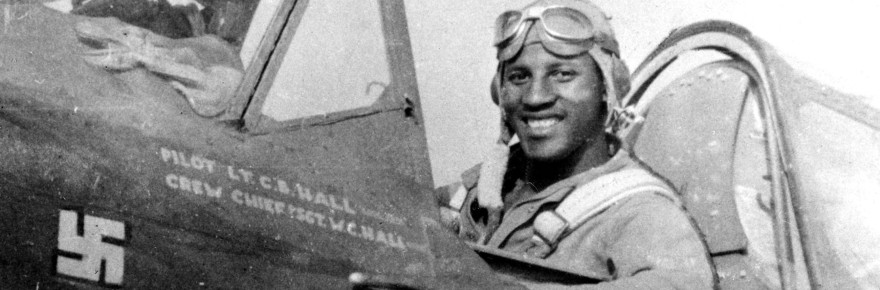
Tuskegee Airmen: Charles B. Hall records 99th’s first victory
On July 2, 1943, Lt. Charles B. Hall became the first Tuskegee Airman to record a combat victory, an achievement that made him an instant star in the Black press.
 World War II on Deadline