Author: Marc Lancaster
-
Brothers reunite on the beach at Anzio
War correspondents of the 1940s came from a variety of journalistic backgrounds. Some had been foreign correspondents, but many more were writing about city hall or sports before finding themselves on the front lines of the biggest story of the century. Price Day had done his share of nuts-and-bolts newspaper work before shipping overseas in…
-
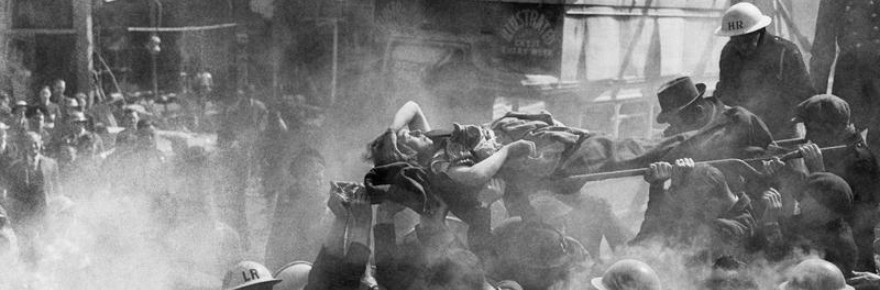
V-1 ‘buzz bombs’ terrorize England
By summer 1944, Londoners were well aware of the rhythms of a German air raid. Though thankfully years removed from the nightly poundings of the Blitz, the capital and the south coast remained forever on alert for sporadic appearances by the Luftwaffe. When the sirens sounded around 4:30 a.m. on June 13, then, residents knew…
-
Henry T. Waskow and the Ernie Pyle tribute that made him famous
By the end of 1943, Ernie Pyle’s dispatches had become the indispensable lens through which Americans on the home front viewed their war. Though he was twice as old as many of the men whose toils he chronicled, Pyle’s humble, in-the-trenches approach endeared him to four-stars and grunts alike. All it took was a glance…
-

Virginia Irwin’s dash to Berlin
As Gen. Dwight D. Eisenhower’s troops plowed into Germany in the spring of 1945, the supreme commander made it clear that Berlin was not an objective for the Western Allies. The prize of capturing the seat of Nazi power would go to the Russians, symbolism and public relations value be damned. While U.S. and British…
-
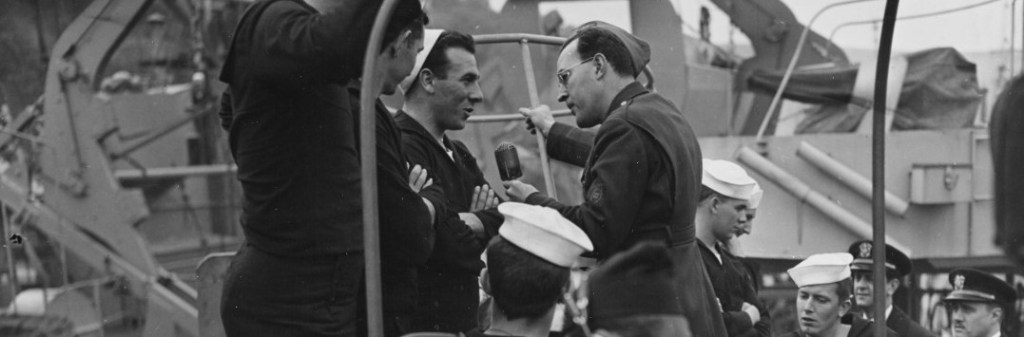
D-Day: George Hicks brings the sound of battle into your living room
In the final minutes of June 6, 1944, Blue Network correspondent George Hicks began recording one of the signature radio reports of World War II.
-
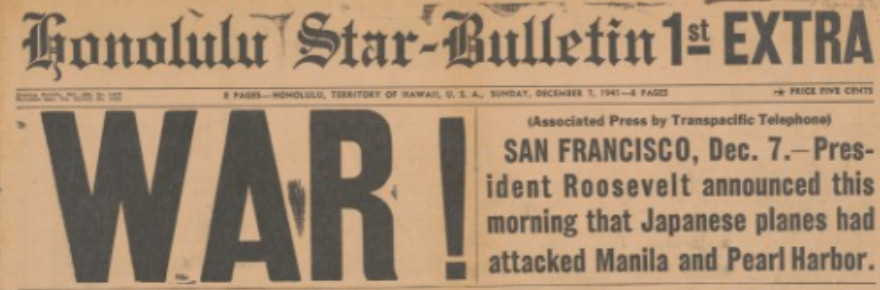
Pearl Harbor: When a global story hits home
Honolulu Star-Bulletin editor Riley Allen arrived at his desk by 6:30 a.m. every day, seven days a week. For most of the nearly three decades he had led the paper, those early mornings — particularly on the weekend — had offered mostly peace and quiet to churn through a never-ending pile of work. On Sunday…
-
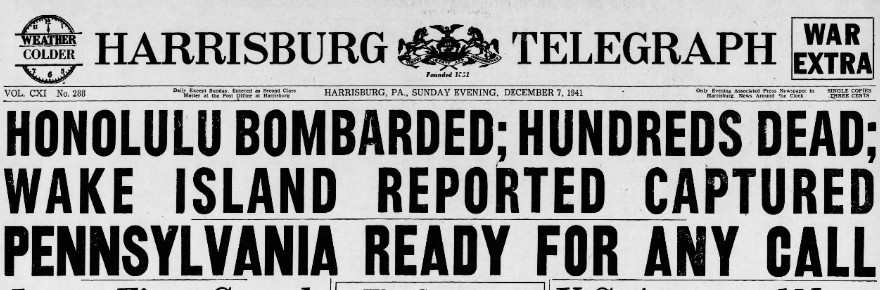
Pearl Harbor: A nation thrust into war
On Saturday, November 29, 1941, Honolulu bureau chief Frank Tremaine filed a story to the United Press wire. It ran in numerous newspapers over the next few days, mostly filling out a random inside page here or there. The Wisconsin State Journal was among the last newspapers to run Tremaine’s story, giving it about 12…
-
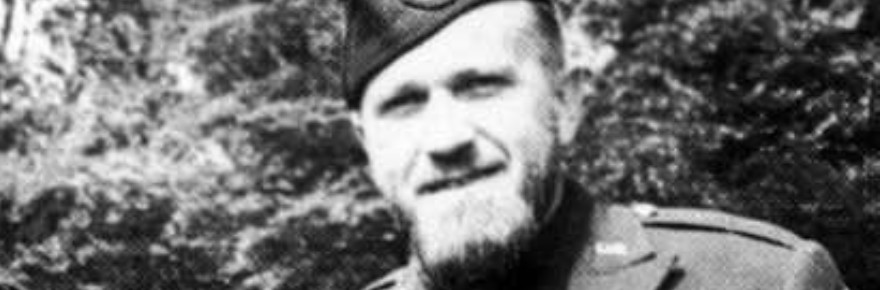
Correspondent Jack Thompson parachutes into Sicily
The Chicago Tribune ran one photograph on the front page of its July 12, 1943 edition, a day after the Trib and newspapers worldwide had first reported on the Allied landings in Sicily. The picture in question was a one-column cutout of Tribune war correspondent John Hall “Jack” Thompson, dressed in paratrooper gear. The headline…
-
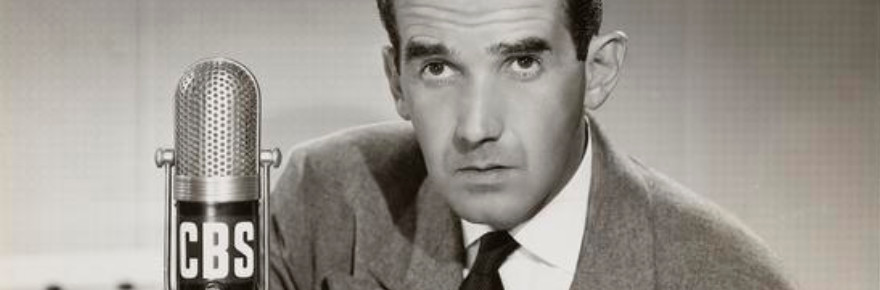
‘Orchestrated Hell’: Edward R. Murrow over Berlin
Last night, some of the young gentlemen of the RAF took me to Berlin. Edward R. Murrow was nothing if not cool, as the opening sentence of perhaps his most famous wartime report makes clear. Seated before a microphone at the BBC’s London studios on December 3, 1943, Murrow spent 18 minutes walking CBS listeners…
-
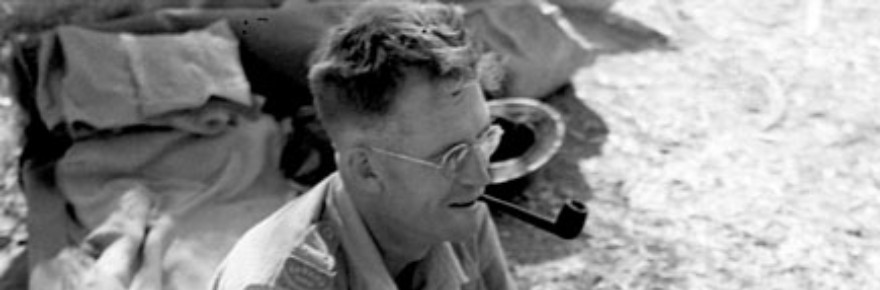
Dieppe: Ross Munro’s eyewitness report
For eight raging hours, under intense Nazi fire from dawn into a sweltering afternoon, I watched Canadian troops fight the blazing, bloody battle of Dieppe. So began Ross Munro’s epic account of the Allies’ first significant action on the Continent since the evacuation from Dunkirk more than two years earlier. Dieppe would in time become…
 World War II on Deadline