Category: Events
-

Bethnal Green tragedy shakes London
An air raid that wasn’t sparked the worst civilian disaster of the war in the UK, leaving 173 people dead in a tube station.
-
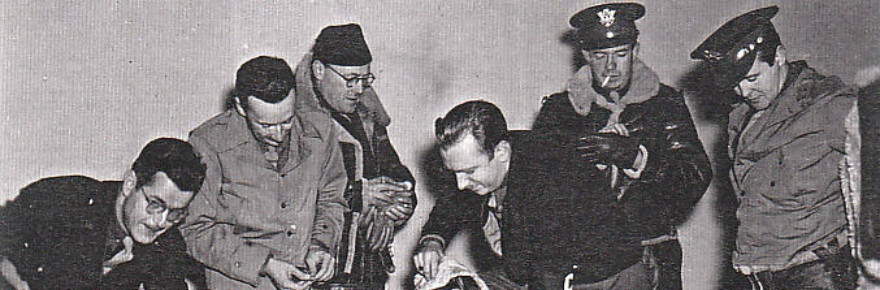
The Writing 69th flies to Wilhelmshaven
In February 1943, a specially trained group of correspondents accompanied an Eighth Air Force bombing raid over Germany. One would not return.
-
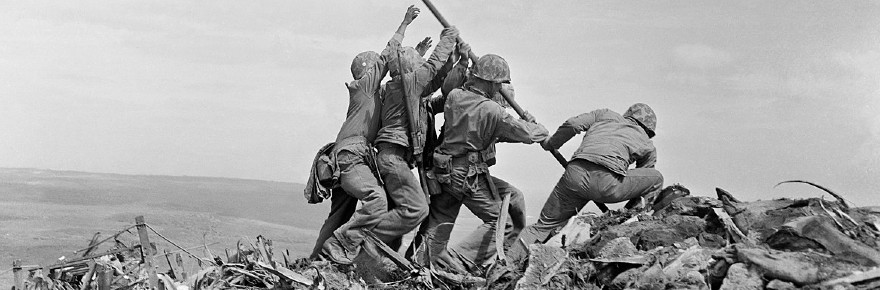
Joe Rosenthal and the flag on Iwo Jima
The story of perhaps the defining image of World War II, captured atop Mount Suribachi by an AP photographer on Feb. 23, 1945.
-
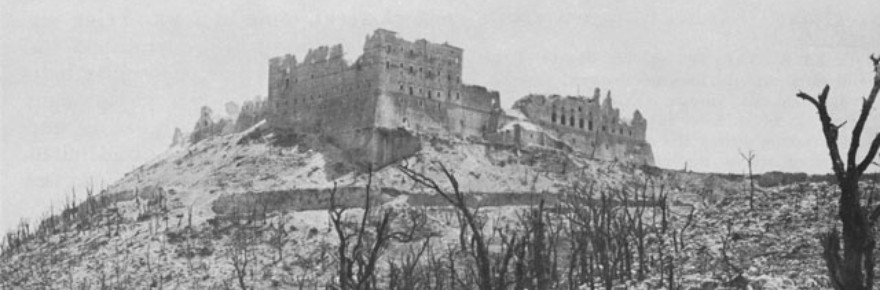
Bombing Monte Cassino
The decision to destroy a centuries-old monastery on an Italian hilltop remains controversial to this day, but soldiers on the ground had no qualms with the bombing.
-

FDR’s ‘Four Freedoms’ speech
President Franklin D. Roosevelt’s 1941 State of the Union address is known to history as the ‘Four Freedoms’ speech, but those lofty ideals were not the focus of press coverage at the time.
-
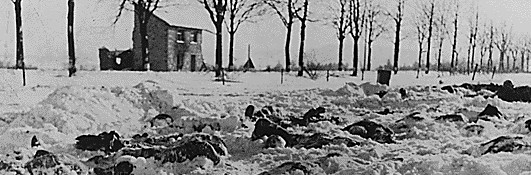
The Malmedy Massacre: News that hardened a nation
On Dec. 17, 1944, German troops gunned down more than 80 unarmed U.S. prisoners near Malmedy, Belgium. News of the atrocity was on front pages worldwide within a day.
-
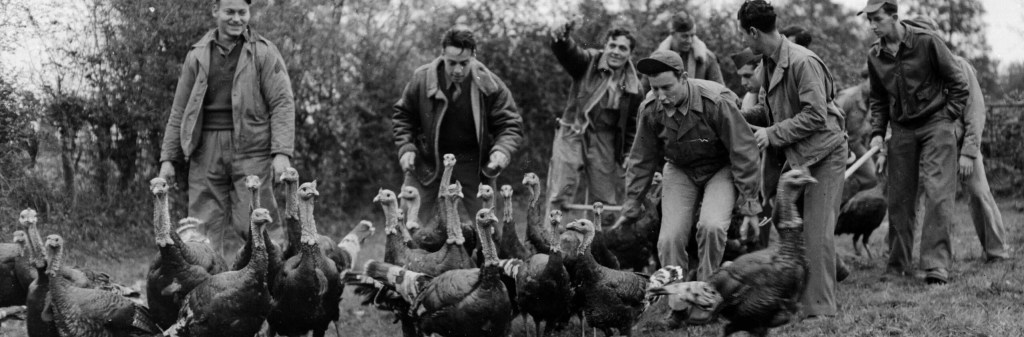
Thanksgiving 1942: Exporting an American holiday
Thanksgiving Day 1942 was a jarring experience, not just for the U.S. service members half a world away from home but also to the countries suddenly playing host to a wholly unfamiliar holiday.
-

Gen. George S. Patton and the slaps heard ’round the world
In two incidents a week apart in August 1943, Gen. George S. Patton slapped soldiers in field hospitals in Sicily. Though war correspondents knew about at least one incident almost immediately, they chose not to report it and the news didn’t become public until three months later.
-

Kristallnacht: The night the world took notice
The official start of World War II was still nearly a year away the night of Nov. 9 and 10, 1938, but what occurred that evening — now known as Kristallnacht — made clear to the world the savagery of the Nazi regime.
-
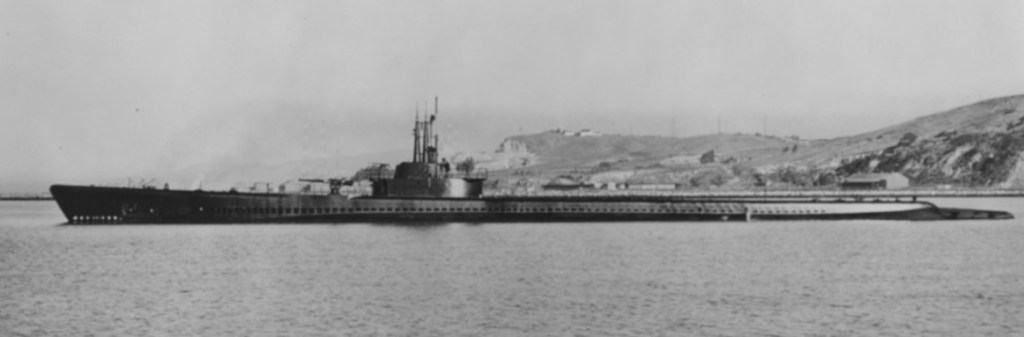
Sinking of the USS Tang: ‘Like the world coming to an end’
On Oct. 25, 1944, the USS Tang went down off the coast of China. It would take nearly a year for the true story behind the submarine’s fate to be told.
 World War II on Deadline