Tag: Baltimore Sun
-

Operation Dragoon: ‘The decisive blow for France’
On Aug. 15, 1944, U.S. troops followed by French forces landed on the Riviera, a move met by little German resistance despite clear signs an invasion was imminent.
-
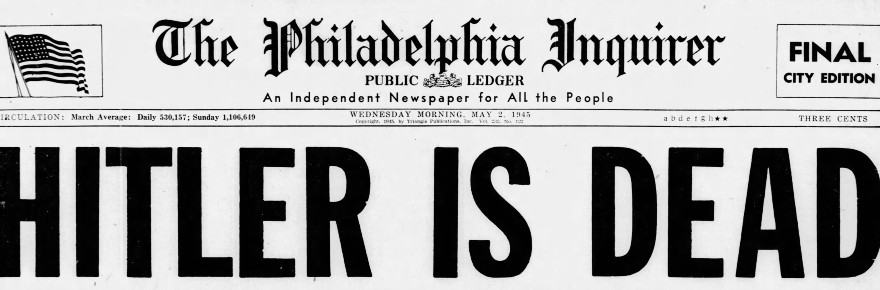
Hitler’s demise: ‘The bloody dog is dead’
The German announcement that Adolf Hitler was dead spawned more skepticism than celebration among the Allies.
-
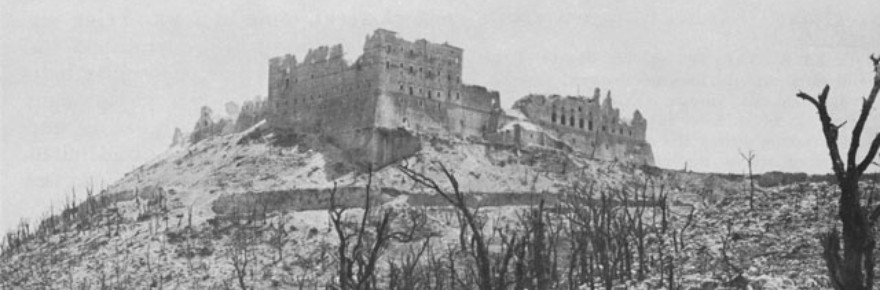
Bombing Monte Cassino
The decision to destroy a centuries-old monastery on an Italian hilltop remains controversial to this day, but soldiers on the ground had no qualms with the bombing.
-

Eisenhower meets the press in London
Gen. Dwight D. Eisenhower’s first news conference as Supreme Allied Commander established his vision of a mutually beneficial relationship with the press.
-

Killed by friendly fire: Lesley J. McNair and Bede Irvin
More than a hundred Americans were killed by bombs dropped by U.S. aircraft on July 25, 1944 — a key Army figure and beloved Associated Press photographer among them.
-
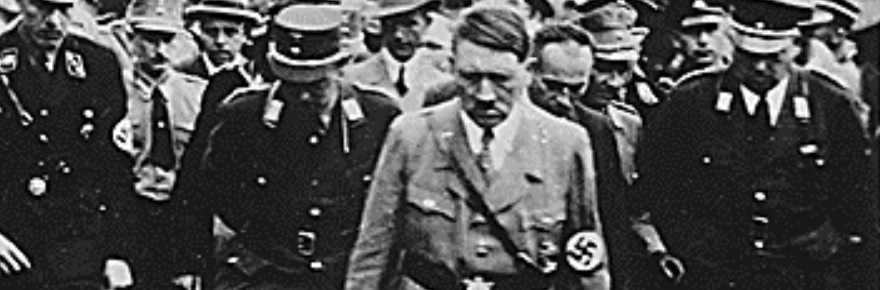
The July 20 plot on Hitler’s life
On July 20, 1944, a bomb went off in a conference room at Hitler’s “Wolf’s Lair” headquarters, sending Germany into chaos and confusion. The attack was in the news almost immediately, thanks to German radio reports, and within about 12 hours Hitler himself had taken to the airwaves to address the incident.
-

Brothers reunite on the beach at Anzio
War correspondents of the 1940s came from a variety of journalistic backgrounds. Some had been foreign correspondents, but many more were writing about city hall or sports before finding themselves on the front lines of the biggest story of the century. Price Day had done his share of nuts-and-bolts newspaper work before shipping overseas in…
 World War II on Deadline