Author: Marc Lancaster
-
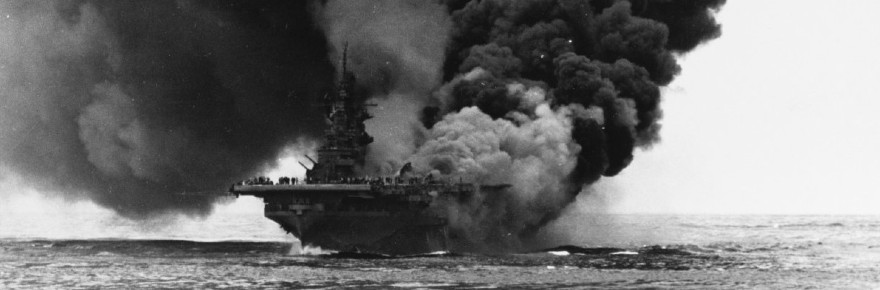
USS Bunker Hill kamikaze attack: ‘Now It Can Be Told’
The USS Bunker Hill suffered heavy damage and lost hundreds of men in a May 11, 1945 kamikaze attack. It would be more than six weeks before censorship restrictions were lifted, allowing publication of a stunning eyewitness report.
-
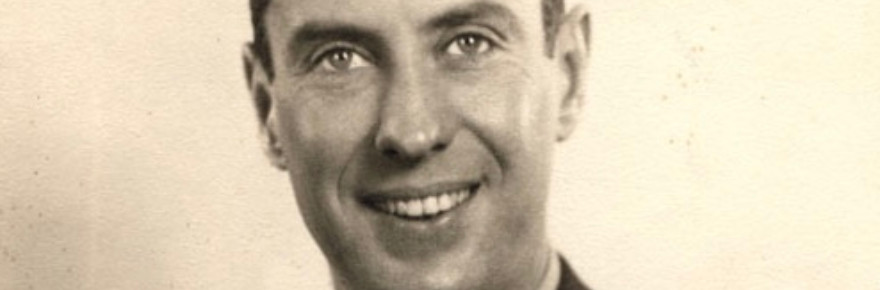
John T. Whitaker predicted Hitler’s move into Russia — and its failure
John T. Whitaker was one of the most well-connected reporters in Europe, allowing him to make uncannily accurate predictions about the course of the war — before he took extreme measures to join the fight himself.
-
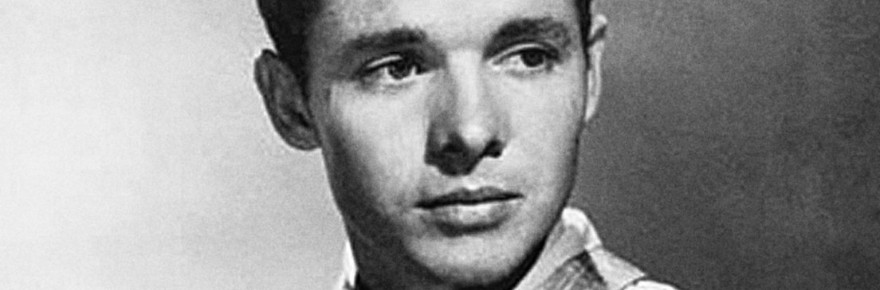
Audie Murphy’s overlooked heroics
Audie Murphy became perhaps the most famous American foot soldier of World War II, but the press didn’t catch on to his story until he was done fighting.
-

D-Day: Keeping the Mulberry secret
The “Mulberry” artificial harbors were one of the great engineering feats of the war, but it was months after D-Day before word of their existence appeared in the press.
-

Bill Shenkel’s B-29 shot down over Japan
Newsweek’s Bill Shenkel had written about aviation for years, and finally got a chance in 1944 to get out of the D.C. office and cover the war from the field. The first U.S. bombing mission to the Japanese home islands since the Doolittle Raid was the opportunity he had waited for, but he didn’t come…
-
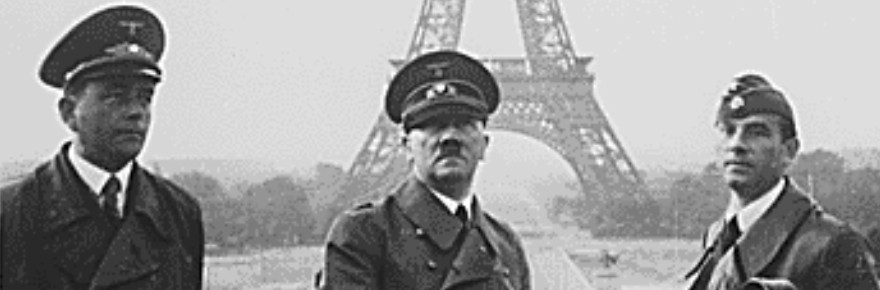
An interview with Adolf Hitler
On June 14, 1940, the day German forces entered Paris to begin more than four years of occupation, an interview with the man responsible for that travesty appeared on dozens of front pages across the United States. A few days earlier, as German forces raced across France, longtime Hearst Newspapers foreign correspondent Karl H. von…
-

D-Day: Ernie Pyle’s struggle to tell the invasion story
If there was one person the American public wanted to hear from once news of the Normandy invasion broke, it was Ernie Pyle. Through his work in North Africa, Sicily and Italy, millions had come to rely on the diminutive columnist’s vivid portrayals of everyday soldiers. Now that the most overwhelming day of the war…
-

D-Day: Martha Gellhorn goes rogue to get her story
Like everyone else in her line of work, Martha Gellhorn was anxious in the spring of 1944, wondering where the invasion of Western Europe would begin and how she might secure a place near the action. The veteran war correspondent wrote to her friend Eleanor Roosevelt on April 28, frustrated that she had allowed her…
-

‘D-Day has come’: Breaking the invasion news to the world
The first report of D-Day comes from the Germans. At 6:33 a.m. London time, 43 minutes after the opening salvos of the pre-invasion naval bombardment, Berlin radio announces that the invasion has begun. Four minutes later, at 12:37 a.m. Eastern War Time, an Associated Press bulletin hits the wire: LONDON TUESDAY JUNE 6 (AP) —…
-

D-Day: Behind enemy lines with a typewriter
Paratroopers from the 82nd and 101st Airborne divisions jumped with 125 to 150 pounds of equipment on D-Day, loaded down with whatever they might need to be self-sufficient until the linkup with seaborne troops or aerial resupply arrived. Time correspondent William Walton didn’t jump with a radio or machine gun components like some of his…
 World War II on Deadline